
Custom Outdoor Product Showdown: Inflatable Container Shelter CS-01 vs. Outdoor Shelter ST-01
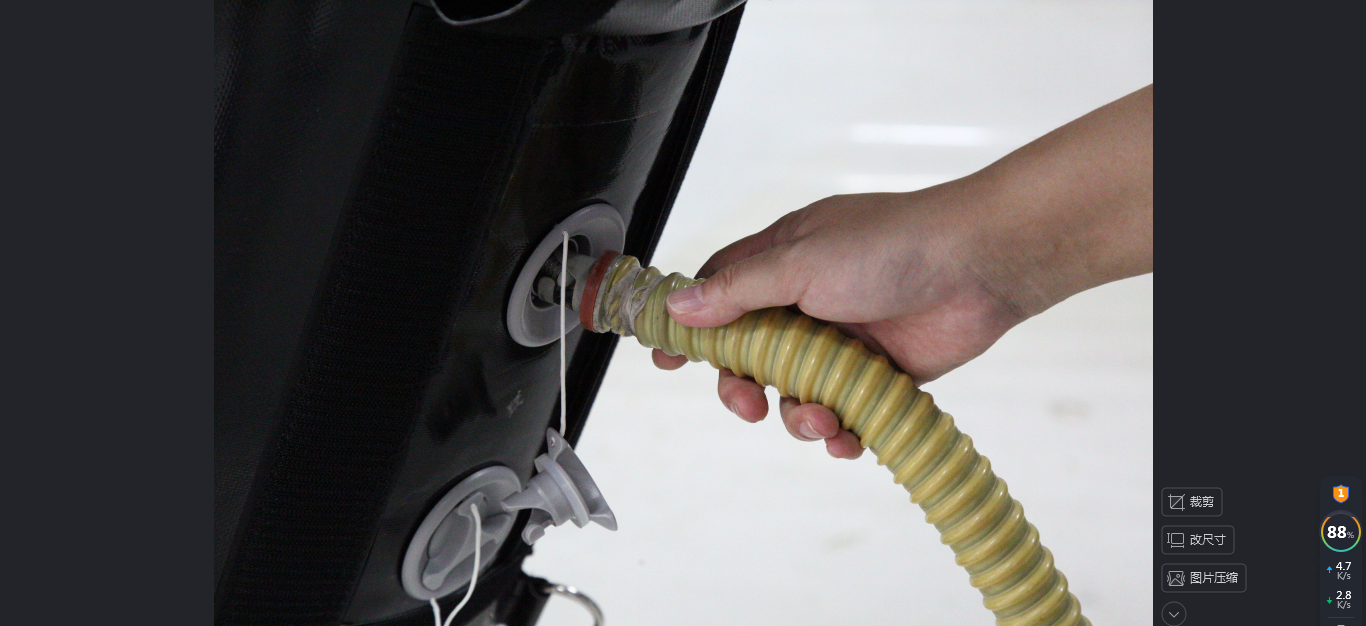
Answer first: if the shelter has to occupy the gap between two shipping containers and be removed again later, the Inflatable Container Shelter CS-01 is the matching structure. If the shelter has to serve an outdoor sport or racing site on a frame base with a coated fabric cover, the Outdoor Shelter ST-01 is the matching structure. These two custom outdoor products are not competing materials — they are competing deployment models, and the site decides which one applies.
Both shelters are customizable in size, and both come from the same factory: StarCanopy — Zhuhai Star Canopy Co., Ltd., a French-owned and managed production facility established in 2005 in Zhuhai, China, operating three workshops for hardware, sewing and inflatables. That detail changes how this comparison should be read. Choosing between CS-01 and ST-01 is not a supplier choice, because the same facility produces both routes, including PVC and TPU film processing, plus cutting, bending, drilling, welding, surface treatment and final assembly for metal components.
This article works through the problem, the demand background, the verified specification of each shelter, an attribute-by-attribute table, the order in which a buyer should decide, four recreation-supply use cases, and the commercial terms that apply to both.
The real problem: buyers compare materials, sites decide structures
Most custom shelter enquiries arrive at the factory with the structure already assumed and only the material left open — usually TPU, PVC or polyester. That sequence is backwards, and it produces three recurring mismatches.
- Structure–site mismatch. The CS-01 specification places the shelter between two shipping containers. A project with no container pair cannot use that configuration without rethinking the installation basis.
- Material–exposure mismatch. Fabric decisions taken before the sun, rain, storage and handling profile is known tend to be revised at the prototype stage, when changes are still possible but already costly.
- Interface mismatch. Size, position and acceptance criteria get defined after the purchase order, so the factory manufactures to assumptions rather than to a specification.
Reframing the question fixes most of this: instead of asking which shelter is better, ask which installation slot the project actually owns, and how often the shelter must be deployed and removed. The answer maps directly onto either CS-01 or ST-01.
Industry background: steady demand, parent-category data only
The demand context for custom outdoor shelters is stable rather than explosive. Global Market Insights values the global recreational and outdoor products market at USD 144.5 billion in 2025 and projects USD 152 billion for 2026, a 5.9% CAGR. Grand View Research estimates the global canopy market at USD 2.2 billion in 2026, with the shade canopy segment holding the largest market share in 2025. For the United States specifically, Ken Research projects outdoor recreation products moving from USD 202.5 billion in 2025 to USD 268.3 billion by 2031 at a 4.8% CAGR, against a 2024 participant base of 181.1 million people — 58.6% of Americans aged six and older.
Scope note: these are parent-category figures reported by commercial research publishers, each with its own geography and forecast horizon. No published dataset separately sizes the custom shelter sub-segment, so these numbers are directional demand context only — they are not a sizing basis for a single shelter order, and the figures should not be blended into a single industry average.
What the numbers support is a practical conclusion: recreation and event infrastructure keeps generating demand for removable, site-specific shelter capacity, and the supply decision is therefore about fit rather than about category growth.
Detailed solution: the two shelters, verified
CS-01 — Inflatable Container Shelter
The Inflatable Container Shelter CS-01 is an inflatable structure built from TPU and PVC with an anti-UV specification. Its defining characteristic is placement: it is designed as a removable, inflatable shelter installed in the gap between two shipping containers. Size is fully customizable, and the stated application scope covers transportation, events and temporary shelter.
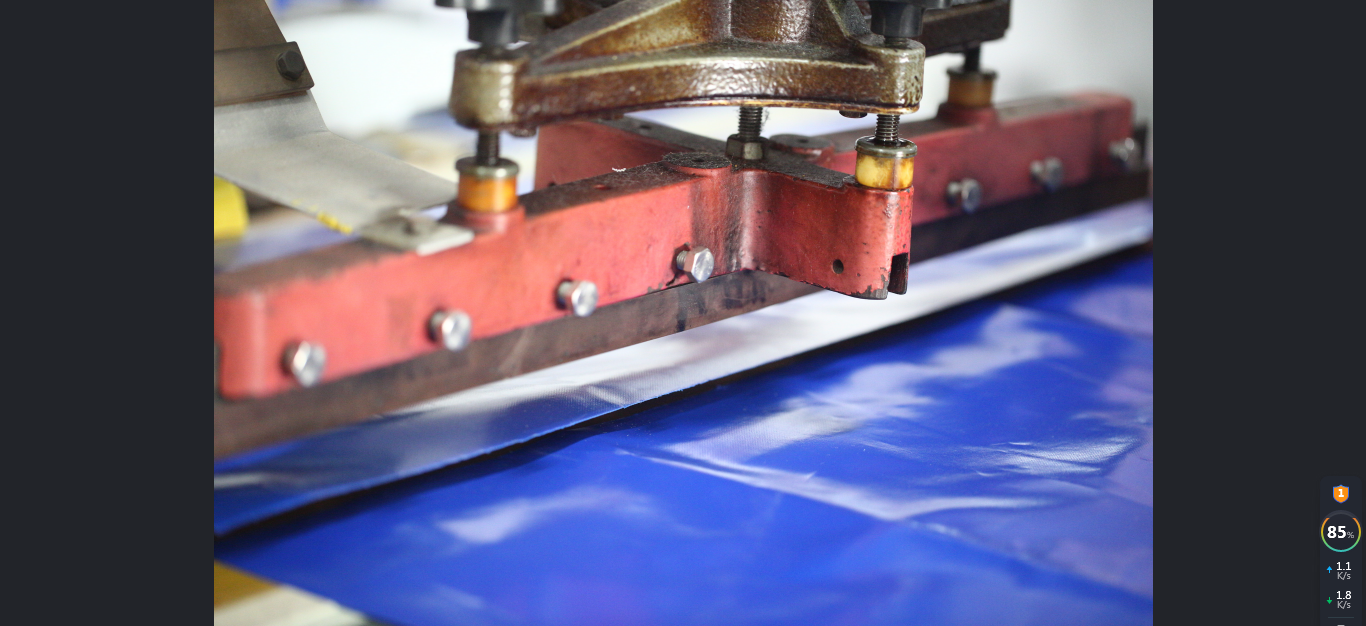
Verified project reference. In France, an inflatable product OEM client used two CS-01 shelter units installed in the gap between two shipping containers for logistics on-site staff rest, goods sorting and outdoor commercial events. The project ran for one year with stable operation, and the recorded highlight was a flexible and portable design able to hold activities.
For a buyer, the practical meaning is that CS-01 monetizes an asset the site already owns: the container pair. It adds covered, usable area at container yards, event compounds and staging areas without a permanent building, and the removable specification allows the structure to be taken down when the slot is needed for containers again.
ST-01 — Outdoor Shelter
The Outdoor Shelter ST-01 uses aluminum or steel with a polyester fabric cover finished with a waterproof PU coating. Its intended application is outdoor sport and racing, and its size is customizable. Where the CS-01 specification is tied to a container gap as the installation basis, the ST-01 specification is not; it is described as a frame-and-cover shelter for the sports and racing environment — practice areas, event support zones and comparable outdoor setups where a metal frame and a coated fabric cover are the natural specification.
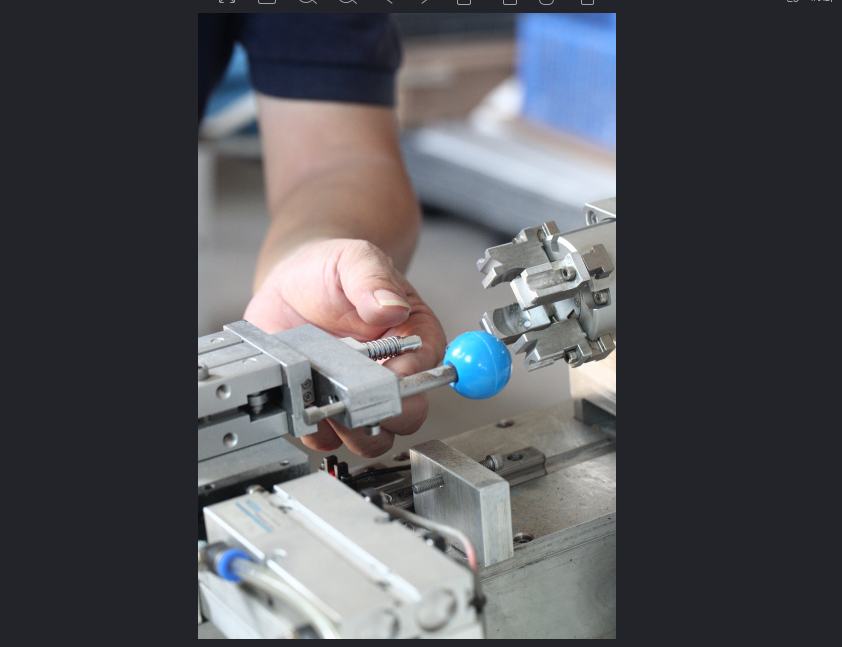
For a buyer, the practical meaning is a shelter whose structure does not depend on existing container infrastructure, and whose cover material carries a waterproof PU coating suited to repeated outdoor exposure during sport and racing events.
Shared ground between the two shelters
- Custom size on both models. CS-01 is fully customizable in size; ST-01 is customizable in size. Neither is limited to a fixed catalogue dimension.
- One manufacturing route. Both are produced by StarCanopy, whose three workshops cover hardware, sewing and inflatables under one roof.
- OEM and ODM both available. OEM production follows the client's samples, drawings, specifications and production requirements. ODM covers engineering design, material development, pattern making, lab testing, prototyping and mass production delivery.
- Inspection before shipment. 100% full inspection before shipment, covering air tightness, material tensile test, size verification and appearance check.
- Low entry quantity. Minimum order quantity from 1 unit, with customization built to the customer's requirement.
- Export experience. The company exports 100% of its output and serves the EU, USA, Canada, Japan, Australia and New Zealand.
CS-01 vs ST-01: attribute-by-attribute comparison
| Attribute | Inflatable Container Shelter CS-01 | Outdoor Shelter ST-01 |
|---|---|---|
| Product type | Inflatable container shelter | Outdoor shelter (frame and cover) |
| Deployment principle | Inflatable air structure, removable | Metal frame with fabric cover |
| Structure material | TPU + PVC | Aluminum or steel |
| Cover material | TPU + PVC body | Polyester fabric with waterproof PU coating |
| Installation basis | Installed in the gap between two shipping containers | Not tied to a container gap in the product specification |
| Removable | Yes (specified) | — |
| Anti-UV | Yes (specified) | — |
| Size customization | Fully customizable | Customizable |
| Stated application scope | Transportation, events, temporary shelter | Outdoor sport and racing |
| Recorded project outcome | Two units in France, one year of stable operation | — |
— indicates that the attribute is not stated in the available product data. It is not a statement that the attribute is absent; it should be confirmed directly with the supplier before ordering.
Step-by-step: how to decide, then how the project runs
- Define the installation slot before the product. Photograph the container gap or the intended frame footprint, and state how often the structure will be deployed and removed. This single input separates CS-01 from ST-01 more reliably than any material argument.
- Choose the deployment model. Inflatable air body for a removable shelter between containers; aluminum or steel frame with a polyester cover for outdoor sport and racing installations.
- Lock the material route to the exposure. CS-01 is specified in TPU + PVC with anti-UV treatment. ST-01 combines a metal frame with polyester fabric and a waterproof PU coating. Confirm whether the cover also needs printing, since the factory offers custom fabric development together with customized printing and sewing.
- Set the size and the fixing points. Both shelters are customizable in size, so the useful specification work is dimensional: length, width, height and the points where the structure meets the site.
- Validate on a prototype, not on a drawing. ODM scope includes engineering design, material development, pattern making, lab testing and prototyping before mass production, which is where dimensional and material corrections should happen.
- Write the acceptance criteria into the purchase order. Acceptance is based on a pre-shipment test, and every unit passes 100% full inspection covering air tightness, material tensile test, size verification and appearance check.
- Confirm commercial terms and logistics. Minimum order quantity is 1 unit; delivery terms are FOB or CIF; payment terms are 50% deposit with 50% balance before shipment. Lead time is 1–2 weeks for small quantities, extending to 7–30 days depending on scope, against a monthly capacity of 1,000 units. After-sales support is provided remotely.

Use cases: which shelter fits which recreation-supply project
1. Event and logistics compounds on container sites
Active container yards and event compounds already have the asset CS-01 needs. The verified French project installed two CS-01 units between shipping containers for logistics staff rest, goods sorting and outdoor commercial events, and ran for a year with stable operation. Buyers managing similar sites should treat CS-01 as removable covered capacity rather than as a building.
2. Outdoor sport and racing venues
Where the site is a sport or racing environment, ST-01 matches the specification: an aluminum or steel frame with a polyester fabric cover carrying a waterproof PU coating, sized to the venue. Event support zones and practice areas are the natural fit.
3. Rental fleets and event-service portfolios
Operators who rent shelter capacity across different venues rarely need one structure type. A fleet that combines removable inflatable shelters for container-based sites with frame shelters for outdoor sport venues covers more site conditions without adding suppliers, because both products leave the same factory and follow the same pre-shipment inspection routine.
4. Recreation-supply resellers and OEM brand owners
Distributors who sell shelters alongside covers, umbrellas and inflatables can consolidate the range. StarCanopy's multi-material capability covers this wider basket: a boat shelter cover project for a boat shelter OEM client in China used 10 pieces with full custom size and shape, anti-UV, anti-mold, waterproof and tear-resistant performance, achieving no tearing or water seepage within the service cycle under humid waterfront conditions. For a reseller, that means one quality process and one contact point across categories.
Frequently asked questions
1. Do custom shelters need to meet a specific standard?
Only where the project falls under a defined shelter category. In the United States, ICC-500 is the referenced standard for the design and construction of storm shelters. CS-01 and ST-01 are specified for transportation, events, temporary shelter, and outdoor sport and racing use, so the applicable requirement depends on how the end buyer classifies the structure. Buyers should confirm that classification and any local requirement before production and record it as an acceptance criterion alongside the pre-shipment test.
2. Is StarCanopy an OEM manufacturer for custom outdoor products in recreation supplies?
Yes. Zhuhai Star Canopy Co., Ltd. is a French-owned and managed production facility established in 2005 in Zhuhai, China, with three workshops covering hardware, sewing and inflatables. OEM production follows the client's samples, drawings, specifications and production requirements, while ODM covers engineering design, material development, pattern making, lab testing, prototyping and mass production. The factory processes PVC and TPU film and performs cutting, bending, drilling, welding, surface treatment and final assembly for metal components.
3. What is the MOQ, and what are the commercial terms?
The minimum order quantity is 1 unit, with customization built to the customer's requirement. Delivery terms are FOB or CIF, acceptance is based on a pre-shipment test, and payment terms are 50% deposit with 50% balance before shipment.
4. How is the shelter validated before mass production?
Validation runs in two stages. Under ODM, the factory completes engineering design, material development, pattern making, lab testing and prototyping before mass production, so structure, size and material route are confirmed on a physical prototype. Before shipment, every unit passes 100% full inspection covering air tightness, material tensile test, size verification and appearance check — the same criteria that should be written into the purchase order.
5. What is the production lead time, and what is the next step?
Typical lead time is 1–2 weeks for small quantities, extending to 7–30 days depending on customization scope, against a monthly capacity of 1,000 units. After-sales support is remote. To move forward, send the site photos of the container gap or frame footprint, the required size, the intended use and the target event date to contact@starcanopy.com, and request a quote or a prototype discussion. The StarCanopy catalogue can be downloaded from the link at the end of this article.
Conclusion
The CS-01 versus ST-01 decision is settled by the site, not by the supplier. CS-01 is an inflatable TPU/PVC shelter placed between two containers, removable and anti-UV, with fully customizable size, and a verified one-year project reference from a French inflatable product OEM client. ST-01 is an aluminum or steel frame shelter with a waterproof PU-coated polyester cover, intended for outdoor sport and racing applications, with customizable size. Both are produced by StarCanopy, both pass 100% pre-shipment inspection, and both start from a minimum order quantity of 1 unit.
If the project owns a container pair, specify CS-01. If the project runs outdoors in a sport or racing environment, specify ST-01. If it does both, the same factory can supply both, and the acceptance criteria stay identical.
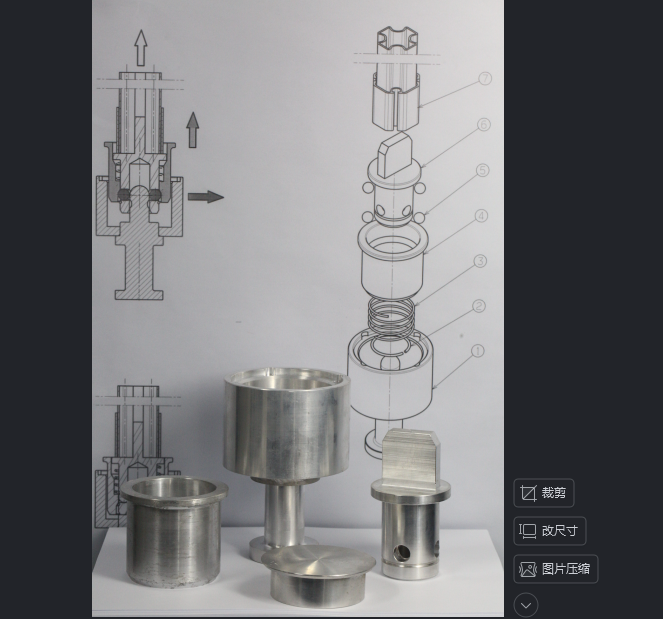
Start your custom shelter project
Send the deployment slot, the size, the intended use and the target date, and StarCanopy will return a quotation or a prototype discussion. Samples and reference documentation are available on request.
Email: contact@starcanopy.com | Website: www.starcanopy.com | WeChat: 8613326668396
Address: B2, 1st Floor, Building 1, No. 8439 Zhuhai Avenue, Pingsha, Zhuhai, China
Catalogue download: StarCanopy product catalogue (PDF)
Have Questions or Need More Details?
Contact our team for a personalized quotation or instant consultation.
Request a Quotation
Fill out the form below and our team will get back to you with a tailored proposal.
WhatsApp Direct Chat
Prefer to chat in real-time? Message us on WhatsApp for instant assistance & quick answers.
- Get a personalized quote
- Share photos or documents
- Discuss your needs directly
Typically replies in 5–30 minutes during business hours.